

What does La Pedrera sound like? A study explores acoustic comfort in Gaudí’s building
What does La Pedrera sound like? What makes it an acoustically comfortable space? At Fundació Catalunya La Pedrera, we bring young people closer to real research through questions like these. And sometimes, we find scientific challenges in our own home. Since 2022, we have collaborated with La Salle–Universitat Ramon Llull on a study that reveals a lesser-known dimension of La Pedrera, designed by Antoni Gaudí, and gives participants in our international Barcelona International Youth Science Challenge (BIYSC) programme the opportunity to contribute to knowledge about architectural heritage.
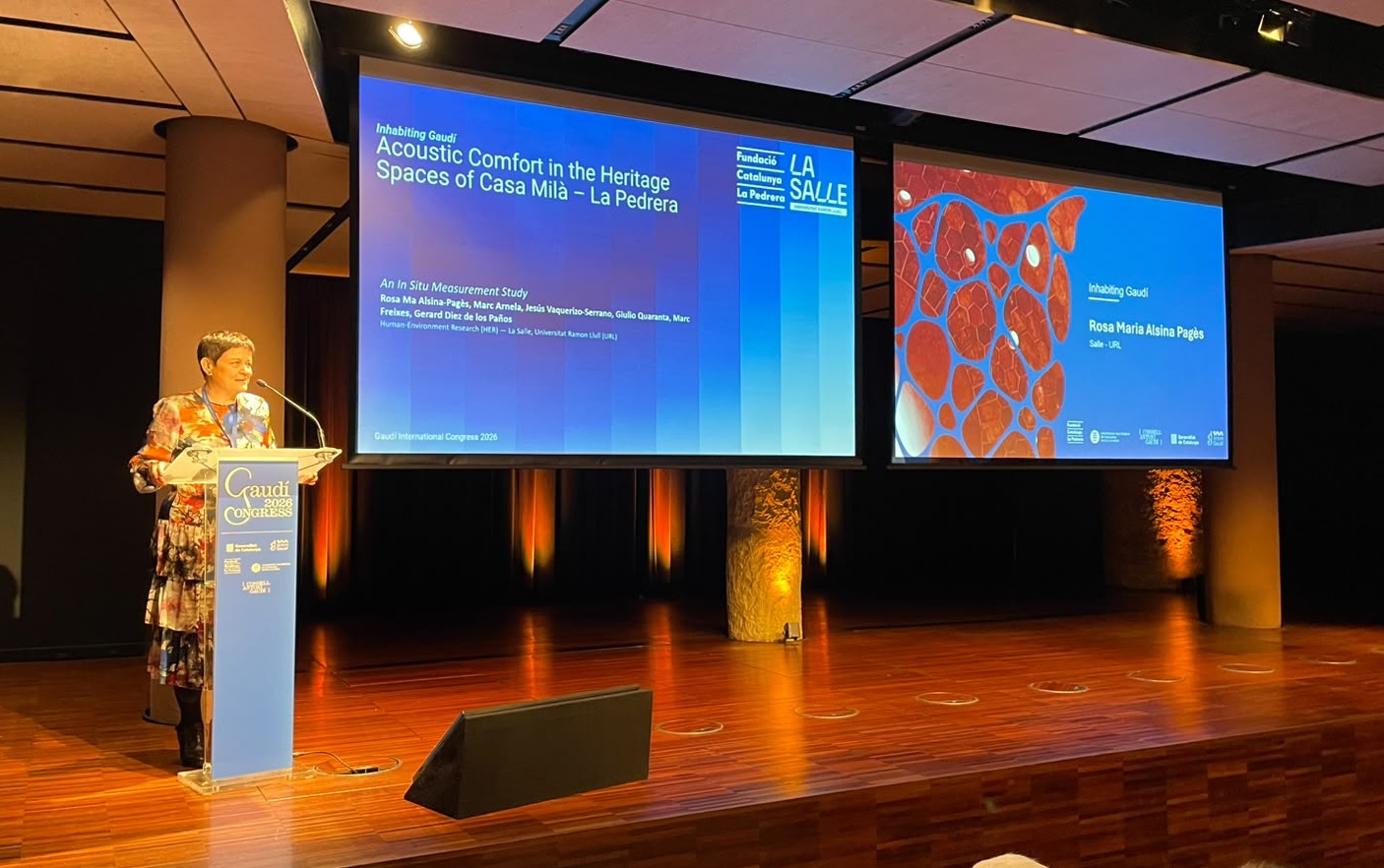
The research, conducted by Rosa Maria Alsina-Pagès and her team at La Salle–URL, examines how shapes, materials, furnishings and the relationship with the urban environment influence acoustic comfort at Casa Milà–La Pedrera. The researcher has presented this work at the Gaudí 2026 Congress in her talk “Inhabiting Gaudí. Acoustic Comfort in the Heritage Spaces of Casa Milà–La Pedrera: An In Situ Measurement Study”.
La Pedrera, a place to research and learn
Fundació Catalunya La Pedrera nurtures the talent and scientific and technological aspirations of young people from around the world through its international BIYSC programme. Over two weeks in July, we offer around 150 students from the final year of compulsory secondary education to the final year of upper secondary education the opportunity to live together in Barcelona and work on challenges proposed by research teams at leading research centres, universities and hospitals.
In the acoustics project at La Pedrera, young participants combine training, experimentation and fieldwork alongside the La Salle team. They take sound measurements and conduct perception surveys, particularly to study the relationship between the building’s spaces and the sounds of its surroundings.
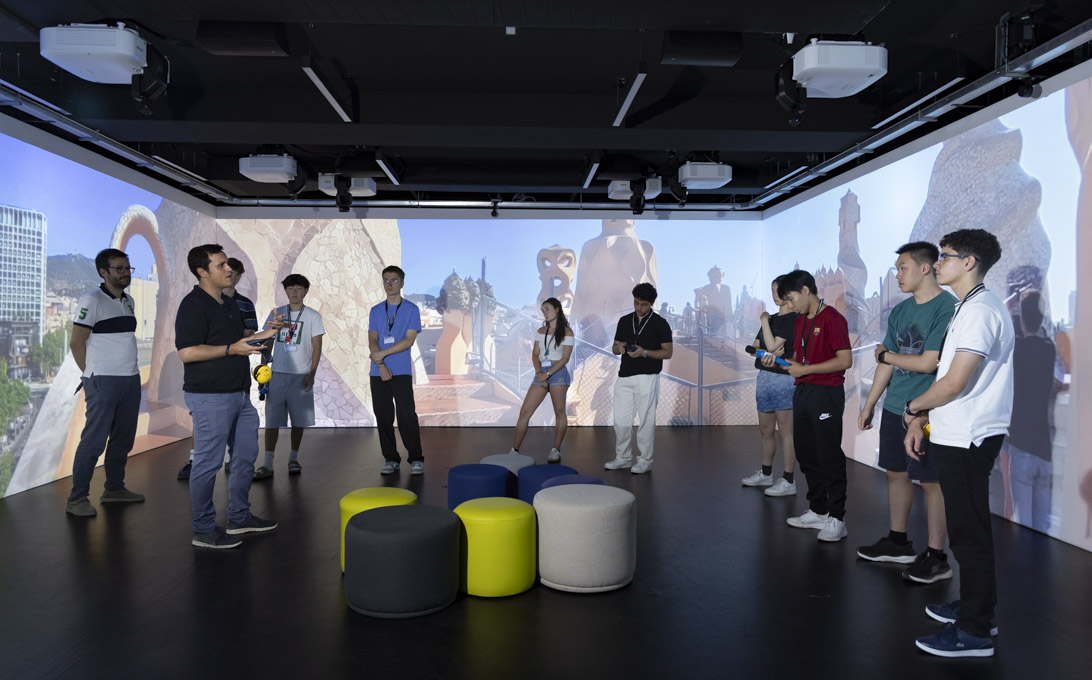
This experience allows them to discover how research is carried out: from asking questions and learning to use instruments to collecting data and interpreting results.
What does sound tell us about life in the building?
The study combines acoustic measurements with assessments of people’s perceptions. It examines aspects such as reverberation (the time sound persists in a space), clarity and how easily speech can be understood. The research focuses on three areas: the courtyards, the apartment, and the relationship between the main floor and balconies and the street.
The courtyard findings show that noise reaches the upper floors at a lower intensity. This behaviour helps explain how activity at the entrances and in communal spaces can coexist with the tranquillity of the apartments.
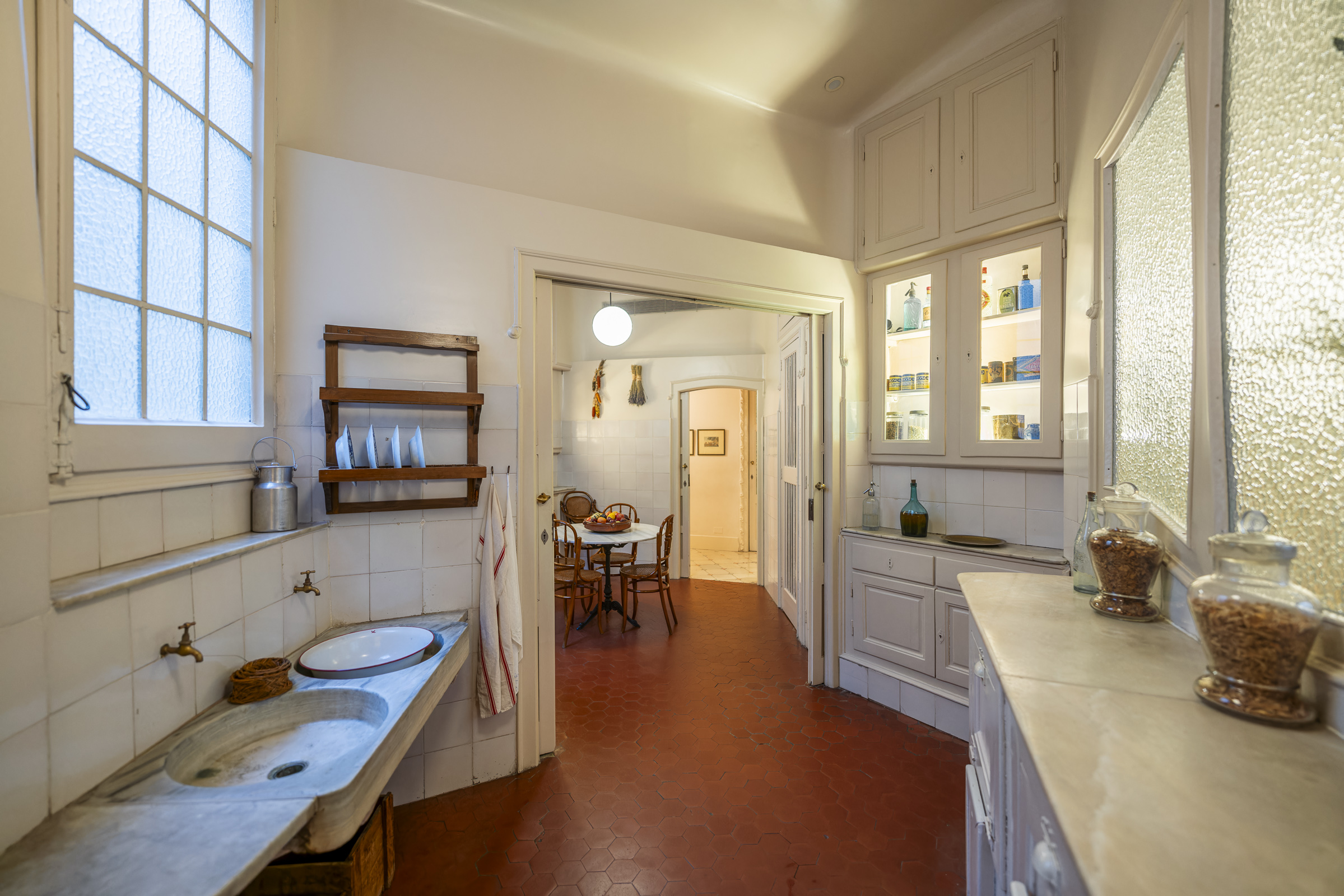
In the period apartment, initial analyses point to favourable acoustic conditions for everyday life, even in spaces such as the kitchen, where the team expected less favourable results, although this part of the study is still being completed. Non-parallel walls, ceiling shapes, materials and furnishings are considered factors that contribute to this comfort.
Comfort goes beyond noise levels
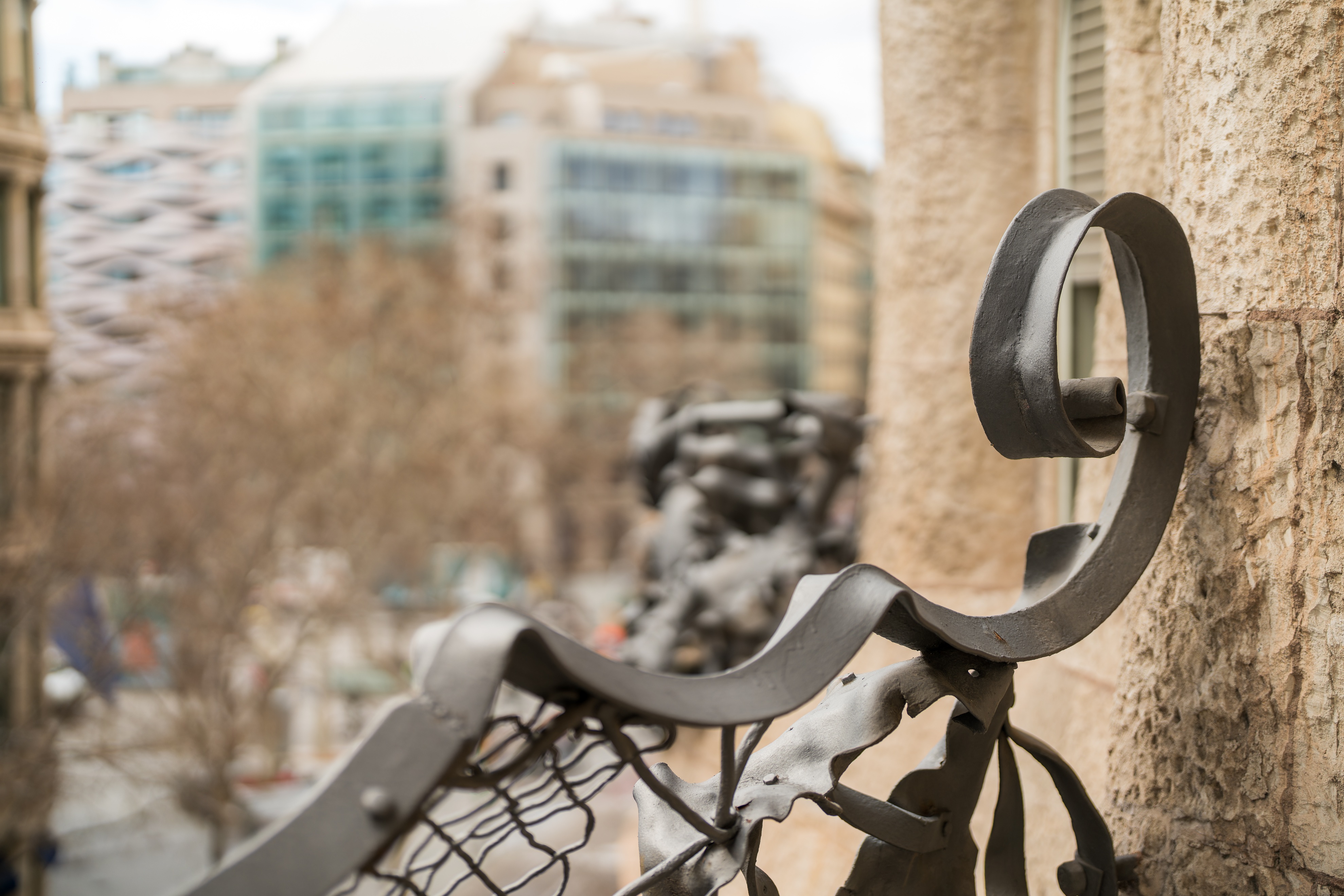
The research also highlights that acoustic comfort cannot be explained by decibels alone. On the balconies, participants have rated the sound environment positively despite the traffic noise from Passeig de Gràcia.
According to the researcher, the views and architecture contribute to this perception. The experience of sound forms part of a broader experience of a place, shaped by what we see and how it makes us feel.
Taken together, the findings contribute to our understanding of the relationship between La Pedrera’s design and its acoustic behaviour, although they cannot, on their own, establish the extent to which Gaudí deliberately sought these effects.
Through this collaboration, Fundació Catalunya La Pedrera opens up new perspectives on heritage and offers young people the opportunity to participate in ongoing research, explore their talent and discover where their curiosity can take them.
